Obstetrics & gynaecology
Pregnancy visits and cycle-related care in one practice

TREATMENT
Leakage, urgency, or prolapse-type pressure after childbirth or in midlife—when pelvic floor care helps and when infection or retention is urgent.

OVERVIEW
Symptoms after childbirth or in midlife often improve with targeted pelvic floor care when started early—not only with endless pads.
Infection, retention of urine, or sudden severe pain with fever can be urgent. Do not force a routine slot for those presentations.
History, examination, and selected tests decide conservative versus procedural care. Bring a symptom diary including night time voids when possible.
Civil Lines and Model Town visits can start triage; procedures requiring theatre use hospital options with clear counselling first.
WHAT PATIENTS NOTICE
Stress leakage with cough/laugh differs from urgency leakage with sudden ‘cannot reach toilet’ urgency. Mixed patterns are common and need dual strategy.
Prolapse may feel like a ball at the introitus, worse after standing long hours in North Delhi workdays, better when lying down.
When describing uro gynaecology concerns, lead with onset, severity scale, and what already failed at home. That short structure saves minutes that can be spent on examination and plan choices.
CAUSES & CONTRIBUTING FACTORS
Pregnancy, childbirth trauma, chronic cough, constipation, obesity, and oestrogen lack after menopause contribute to pelvic floor disorders.
Neurological disease and some medicines affect bladder control—medical history remains essential.
Constipation management is pelvic floor therapy. Straining cycles sabotage both prolapse symptoms and stress leakage exercises.
Supports stress urinary leakage and prolapse symptoms.
Drive urgency-frequency syndromes.
Midlife tissue change worsens urinary and sexual symptoms.
May alter support anatomy and scar behaviour.
DIAGNOSIS
Bladder diaries, urine infection checks, residual urine assessment when indicated, and prolapse staging on exam form the core. Urodynamics is selective.
Bring prior urine culture reports—repeating antibiotics without cultures fuels resistance.
Teach correct pelvic floor contraction (lift, not strain) with a clinician or physiotherapist—wrong technique can worsen symptoms.
State your visit goal in one line: symptom control, fertility planning, diagnosis clarity, procedure counselling, or second opinion. Clear goals prevent menu-style over-testing.
TREATMENT OPTIONS
First-line often includes pelvic floor physiotherapy, fluid timing strategies, constipation management, and local oestrogen when appropriate after menopause.
Medicines for overactive bladder, pessaries for prolapse, and surgical options follow after conservative trials or when severity is high—individualised.
Recurrent UTI labels without cultures may actually be atrophy-related irritation in midlife; cultures prevent monthly unnecessary antibiotics.
If cost limits options for uro gynaecology, say so early. Sequencing essential safety checks before optional add-ons is better than silent non-adherence later.
Techniques trained correctly beat random Kegel guessing.
Bladder training and fluid timing plans.
Pessaries for selected prolapse patients preferring non-surgical support.
After indication clarity and counselling of limits.
BENEFITS & LIMITS
Early conservative care reduces years of pad use and social avoidance of exercise. Accurate diagnosis prevents treating infection when the issue is atrophy or overactivity.
Written home programmes outperform single verbal tips forgotten after leaving Model Town or Civil Lines clinics.
Before leaving a uro gynaecology visit, confirm the exact next review window and which symptoms cancel that wait. Timing confusion causes most preventable delays between North Delhi centres.
RECOVERY & FOLLOW-UP
Physiotherapy gains need weeks of practice. After prolapse or continence surgery, lifting and sexual activity restrictions are procedure-specific.
Recurrent leak after treatment needs re-assessment—not automatic second surgery.
If a pessary is offered, schedule cleaning teaching and a trial period rather than leaving the clinic with a device and no follow-up plan between Model Town visits.
If a procedure plan was discussed for uro gynaecology, leave with activity limits, wound or bleeding expectations, and a named after-hours contact path—not only a routine review date.
Home exercise adherence logs
Pessary cleaning schedules if used
Post-op voiding trial instructions
Constipation prevention after pelvic surgery
Wound or mesh-related red flags if applicable to technique used
WHEN TO CONSULT
If any of these start, seek care before the next scheduled OPD day.
Acute urinary retention, blood in urine with systemic illness, or feverish pyelonephritis signs need urgent care—not elective pelvic floor scheduling only.
New bulge after forceps delivery or large tears benefits from structured post-partum pelvic floor review.
Escalate sooner for uro gynaecology if symptoms accelerate within a day, if medicines cannot be kept down, or if dizziness suggests anaemia or volume loss.
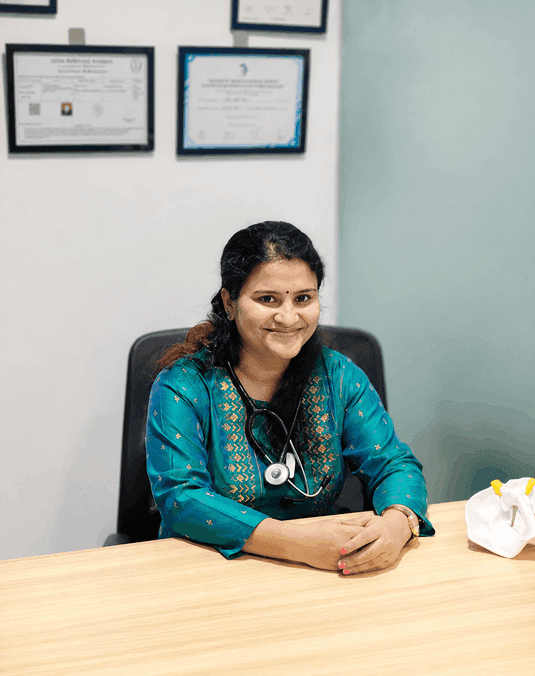
Dr. Anju Bala
Obstetrician & Gynaecologist
13+ Years
Clinical practice
Civil Lines
Hospital OPD
High Risk Pregnancy
Close monitoring
Model Town
Evening clinic
WHY WOMEN CHOOSE DR. ANJU BALA
Care focuses on history, indicated tests, and written next steps—from adolescence and cycle problems through pregnancy and midlife bleeding concerns.
GOOGLE REVIEW
Shared on Google by a real patient of Dr. Anju Bala.
“Dr. Anju Bala is an excellent gynaecologist. She listens carefully, explains every concern clearly and gives practical advice. She is polite, friendly and genuinely cares for her patients.”
RELATED TREATMENTS
These are separate decisions. Read the page closest to your question, then confirm the plan in clinic.
 TREATMENT
Heat flushes, sleep loss, midlife bleeding changes, or mood shifts—what needs exam, which options exist, and when bleeding is never “just menopause.”
Learn more TREATMENT
A checkup is for silent worries too—breast changes, spotting, pain with intimacy, or family cancer history—not only for forms.
Learn more TREATMENT
Choosing contraception that matches health history, daily routine, and whether you want pregnancy soon—and what side-effects to report.
Learn moreFAQS
Answers to common clinical and practical questions about this condition or treatment.
They help many stress-leak patterns when taught correctly. Urgency-dominant patterns and advanced prolapses often need broader plans.
Common does not mean ignore. Persistent leakage deserves assessment and training support.
Often no. Symptom level and failed conservative care guide choices.
Local vaginal oestrogen helps some postmenopausal genitourinary symptoms after individual risk review.
With Dr. Anju Bala at Civil Lines and Model Town. Advanced surgical facilities are planned case by case.
Yes. Frequency, volumes, and leak triggers guide therapy type better than memory alone.
Often yes with modifications; high-impact or heavy lifting technique may need physio guidance.
Book uro-gynaecology assessment; mention leakage vs bulge vs recurrent infection dominant complaint.
Ignore guaranteed pregnancy rates, “complication-free delivery” packages, and magic hormone cures. Your plan depends on your history, examination, and tests with Dr. Anju Bala—not on a stranger’s story or ranking badge.
Yes. Ask for a written problem summary, key results, and options already considered. Second opinions work best with documents, not verbal fragments.
Both support continuity with Dr. Anju Bala depending on weekday schedules. Hospital-linked tests or procedures often map to Sant Parmanand Hospital in Civil Lines; Model Town often suits interim review.
Chat can help you book, share reports, and check if symptoms need emergency care. Prescriptions and stop–start decisions wait for examination when needed—not for message threads alone.
Ready when you are
Book online, call the clinic desk, or WhatsApp your preferred day. Confirm Civil Lines or Model Town hours before you travel.
Clinic timings and full addresses are listed on the Locations page.