Obstetrics & gynaecology
Pregnancy visits and cycle-related care in one practice

TREATMENT
Heavy, painful, or chaotic periods that disrupt work, travel, or iron levels—what needs urgency, what tests help, and what treatment can look like.

OVERVIEW
Heavy flow that soaks pads hourly, large clots, flooding after long silence, or pain that stops school or work needs more than endless painkillers.
Sudden change after years of normal periods raises structural or hormone questions faster than lifelong “always heavy” patterns—but both deserve assessment.
Iron deficiency can leave you breathless on mild effort. Treating iron without finding the bleed source is incomplete.
Bring a two- to three-month diary of timing, pad counts, and pain scores to Civil Lines or Model Town—memory underestimates chaos.
WHAT PATIENTS NOTICE
Heavy bleeding is measured practically: pad/tampon change frequency, night flooding, clots larger than a coin often described by patients, and days of full-flow bleeding.
Pain that stops school or work, or pain that progressively worsens after years of mild cramps, differs from ordinary first-day discomfort.
When describing menstrual disorders concerns, lead with onset, severity scale, and what already failed at home. That short structure saves minutes that can be spent on examination and plan choices.
CAUSES & CONTRIBUTING FACTORS
Structural lesions, ovulatory dysfunction, infection, pregnancy-related bleeding, and bleeding disorders appear at different life stages.
Thyroid disease and some medications alter cycle patterns—always list every tablet including over-the-counter painkillers used heavily each cycle.
Copper IUD users with new heavy bleeding need device-related assessment; do not assume every heavy period equals fibroids alone.
Anovulatory cycles can produce irregular heavy bleeds.
Fibroids, polyps, adenomyosis commonly drive volume and pain.
Thyroid, coagulopathy, and chronic illness as indicated.
Anticoagulants and some contraceptives change bleeding profiles.
DIAGNOSIS
PALM-COEIN style thinking organises differentials without forcing every test. Pregnancy must be excluded when relevant.
Transvaginal ultrasound is often informative in sexually active adults who consent; alternatives exist for others.
Painkiller timing for dysmenorrhoea often works better when started at first sign of flow for many patients; random late dosing after pain peaks underperforms.
State your visit goal in one line: symptom control, fertility planning, diagnosis clarity, procedure counselling, or second opinion. Clear goals prevent menu-style over-testing.
TREATMENT OPTIONS
Acute heavy bleeding may need stabilisation strategies distinct from long-term cycle control. Iron repletion often runs parallel.
Procedures (polypectomy, myomectomy, endometrial methods, hysterectomy) follow after indication and alternative review—not as first reflex for mild cycles.
If you are over forty with new heavy irregular bleeds, plan excludes only after proper assessment—perimenopause is a diagnosis of context, not an excuse to skip exams.
If cost limits options for menstrual disorders, say so early. Sequencing essential safety checks before optional add-ons is better than silent non-adherence later.
Hormonal and non-hormonal agents matched to pattern and pregnancy plans.
Oral or other routes when iron deficiency documented.
For polyps or selected intrauterine disease.
Reserved for persistent disease after shared decision.
BENEFITS & LIMITS
Treating documented heavy bleeding restores energy for work, and prevents progressive iron deficiency that patients often normalise for years.
Accurate diagnosis avoids years of mismatched pills when a removable polyp was the actual driver.
Before leaving a menstrual disorders visit, confirm the exact next review window and which symptoms cancel that wait. Timing confusion causes most preventable delays between North Delhi centres.
RECOVERY & FOLLOW-UP
After medical starts, expect a defined review window to judge response before switching therapies rapidly.
After procedures, bleeding may briefly change pattern—your discharge note should separate expected spotting from haemorrhage.
Anti-fibrinolytic medicines used for acute heavy bleed episodes have specific dosing windows—do not double leftover tablets from an old prescription without advice.
If a procedure plan was discussed for menstrual disorders, leave with activity limits, wound or bleeding expectations, and a named after-hours contact path—not only a routine review date.
Pad charts for two cycles after therapy change
Iron tablets with diet/timing advice
Activity limits after invasive procedures
Fever/wound instructions if surgery occurred
Contraception interaction notes with bleed therapies
WHEN TO CONSULT
If any of these start, seek care before the next scheduled OPD day.
Same-day care for flooding, fainting, or soaking through clothes at work/school.
Any bleeding after confirmed menopause needs evaluation—never dismiss as ‘hormones only’ online.
Escalate sooner for menstrual disorders if symptoms accelerate within a day, if medicines cannot be kept down, or if dizziness suggests anaemia or volume loss.
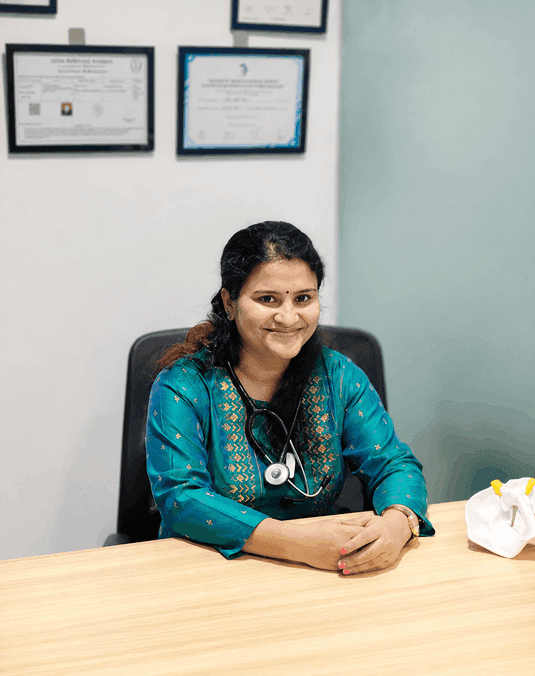
Dr. Anju Bala
Obstetrician & Gynaecologist
13+ Years
Clinical practice
Civil Lines
Hospital OPD
High Risk Pregnancy
Close monitoring
Model Town
Evening clinic
WHY WOMEN CHOOSE DR. ANJU BALA
Care focuses on history, indicated tests, and written next steps—from adolescence and cycle problems through pregnancy and midlife bleeding concerns.
GOOGLE REVIEW
Shared on Google by a real patient of Dr. Anju Bala.
“She is a very good gynaecologist. I took treatment for myself and my teenage daughter. We both recovered quickly. She explained everything politely and clearly, and always answered our questions patiently.”
RELATED TREATMENTS
These are separate decisions. Read the page closest to your question, then confirm the plan in clinic.
 TREATMENT
Heavy flow, pressure, or fertility concern with fibroids—when watchful care is enough and when medical or surgical plans make sense.
Learn more TREATMENT
Heat flushes, sleep loss, midlife bleeding changes, or mood shifts—what needs exam, which options exist, and when bleeding is never “just menopause.”
Learn more TREATMENT
If cycles are irregular, weight or skin symptoms worry you, or pregnancy is the goal—start with a clear plan rather than another short course of tablets without a review date.
Learn moreFAQS
Answers to common clinical and practical questions about this condition or treatment.
Frequent hourly soaking, night flooding, or anaemia signs matter more than comparing to friends. Charts help objectify severity.
Yes, sometimes. Stress is never accepted as the only explanation without excluding important causes when red flags exist.
Only when size, location, symptoms, and fertility goals justify it after medical options or when medical options fail/contraindicated.
They exclude some structural disease but not every hormonal or systemic cause. Interpretation is whole-patient based.
Dr. Anju Bala consults at Civil Lines and Model Town. Bring prior scans and haemoglobin reports.
Yes. Adolescent options prioritise education, anaemia checks, and age-appropriate therapies.
Most short- and medium-term hormonal bleed controls do not permanently remove fertility; specific agents and durations are discussed individually.
Book for menstrual problem review; mention flooding, anaemia, or post-menopausal bleeding so urgency can be triaged.
Ignore guaranteed pregnancy rates, “complication-free delivery” packages, and magic hormone cures. Your plan depends on your history, examination, and tests with Dr. Anju Bala—not on a stranger’s story or ranking badge.
Yes. Ask for a written problem summary, key results, and options already considered. Second opinions work best with documents, not verbal fragments.
Both support continuity with Dr. Anju Bala depending on weekday schedules. Hospital-linked tests or procedures often map to Sant Parmanand Hospital in Civil Lines; Model Town often suits interim review.
Chat can help you book, share reports, and check if symptoms need emergency care. Prescriptions and stop–start decisions wait for examination when needed—not for message threads alone.
Ready when you are
Book online, call the clinic desk, or WhatsApp your preferred day. Confirm Civil Lines or Model Town hours before you travel.
Clinic timings and full addresses are listed on the Locations page.