Obstetrics & gynaecology
Pregnancy visits and cycle-related care in one practice

OBSTETRICS
From confirmation to late pregnancy—what each visit checks, which home symptoms need same-day care, and how Civil Lines or Model Town visits keep your plan continuous.

OVERVIEW
From the first positive test through early recovery after birth, visits track blood pressure, anaemia risk, growth signals, vaccinations when indicated, infection screens when needed, and birth planning as findings evolve.
Most pregnancies stay low risk—but early baselines still matter. Without them, a late reading has nothing solid to compare against.
You can consult Dr. Anju Bala at Sant Parmanand Hospital, Civil Lines, or North Delhi Uro Gynae Clinic, Model Town. Days differ—match open days to leave before you book.
Early visits often confirm dating, review every tablet and supplement you already take, and list symptoms that should never wait for a stamp date on the card.
Mid-pregnancy visits recheck anaemia tendency, blood pressure trends, vaccines, and the anatomy-scan window if not done. Findings here may change how often you return.
Late pregnancy focuses on baby’s position, growth, labour logistics, and which symptoms mean hospital admission rather than a routine Civil Lines OPD or Model Town evening slot.
WHAT PATIENTS NOTICE
Common early symptoms include nausea and fatigue. Urgency rises when bleeding, severe pain, fever, or dehydration appear, or when foetal movements drop later in pregnancy after a normal pattern.
Keep a brief diary: onset time, pad counts, pain score, temperature, and fluid intake. Those details speed triage on a clinic call or at Civil Lines OPD.
Not every ache means emergency care. Mild round-ligament stretch or short Braxton Hicks tightenings differ from regular painful contractions that march closer together before full term.
Report green or foul fluid early; colour and odour help distinguish membrane rupture from urine leak. Do not delay seeking care to “wait one more kick count” if movements already feel clearly reduced.
CAUSES & CONTRIBUTING FACTORS
Monitoring intensifies when medical illness, prior obstetric events, or current-scan findings raise complication chances. Classification can change mid-pregnancy.
Age is only one factor. Combine it with blood pressure, glucose control, twin pregnancy, placental location, and prior uterine surgery details.
Lifestyle and social factors matter practically: overnight shifts, long travel between North Delhi neighbourhoods, and delayed reports all interrupt continuity even when clinical risk starts low.
Hypertension, diabetes, thyroid disease, and significant anaemia alter labs and visit spacing.
Preterm birth, recurrent loss, or complicated caesarean changes counselling early.
Growth concern, fluid extremes, bleeding episodes, or twins escalate review frequency.
Changing centre without reports often means repeat tests and broken trends.
DIAGNOSIS
We start with your story and examination, selective ultrasound, and labs tied to a decision. Extra scans without a clear question add cost more than clarity.
Bring dating scans, prior discharge notes, and medicine lists to Model Town or Civil Lines appointments so medication safety can be checked accurately.
Fundal height, foetal heart assessment at the visit, and urine checks remain relevant tools. Imaging supplements these when growth, fluid, or placenta questions appear—not as a substitute for BP charting.
TREATMENT OPTIONS
In pregnancy, care often means schedule design, iron when deficient, infection management, blood pressure treatment plans, glucose plans, and referral thresholds—not always an operation.
Birth-mode talks use late pregnancy findings: presentation, prior scar, placental position, and foetal status. Preference for vaginal birth is considered when it remains obstetricly safe.
When risk rises, visits become closer, still at Civil Lines or Model Town when schedules allow.
Intervals shorten if pressure rises, growth slows, or medical control worsens.
Only pregnancy-compatible agents are considered after reviewing every tablet and supplement.
Facility capacity and risk factors are matched as term approaches.
Bleeding, wound, feeding, and mood issues need an explicit review path after birth.
BENEFITS & LIMITS
Serial blood pressure and growth notes show trends—not just one nervous reading. That supports earlier medication adjustments when indicated.
Knowing danger signs early means you call sooner when something feels wrong when symptoms start after hours.
Clear records also help if another hospital needs your history later.
RECOVERY & FOLLOW-UP
Postnatal recovery covers bleeding volume, perineal or wound care, hydration, rest, and mood-change awareness. Timelines differ after vaginal birth and caesarean.
Contraception and spacing conversations prevent unplanned short-interval pregnancies when next conception timing matters medically.
If breastfeeding questions or heavy lochia worry you in the first week, request review rather than waiting for a distant “six-week only” appointment when danger signs are present.
Track pad counts and clot size
Seek care for fever or foul discharge
Treat calf pain, chest pain, or sudden breathlessness as urgent
List all medicines including iron
Request earlier review if problems start before a routine postpartum date
Note wound gape or increasing redness after caesarean
WHEN TO CONSULT
If any of these start, seek care before the next scheduled OPD day.
Routine booking fits progressive reviews without acute decline. Emergency care fits life-threatening or pregnancy-threatening presentations.
If unsure, call with gestational age, bleeding amount, and movement change so staff can triage OPD versus hospital emergency.
Even if you live near Model Town, you may still need hospital emergency options for catastrophic bleeding—clinic hours do not replace after-hours obstetric emergency access.
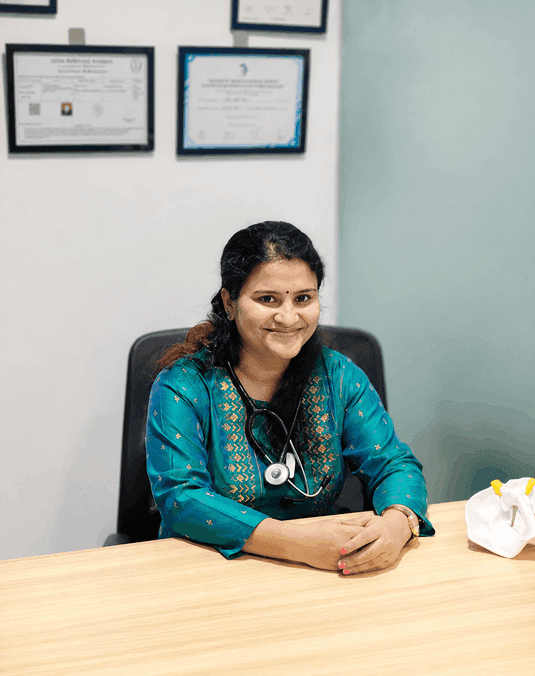
Dr. Anju Bala
Obstetrician & Gynaecologist
13+ Years
Clinical practice
Civil Lines
Hospital OPD
High Risk Pregnancy
Close monitoring
Model Town
Evening clinic
WHY WOMEN CHOOSE DR. ANJU BALA
Care focuses on history, indicated tests, and written next steps—from adolescence and cycle problems through pregnancy and midlife bleeding concerns.
GOOGLE REVIEW
Shared on Google by a real patient of Dr. Anju Bala.
“My experience with Dr. Anju Bala was wonderful. She guided me throughout my pregnancy and I had a very smooth delivery. The way she explains everything makes patients feel relaxed and confident.”
RELATED TREATMENTS
These are separate decisions. Read the page closest to your question, then confirm the plan in clinic.
 TREATMENT
If you want a clear antenatal card, danger-sign list, and return dates you can follow—not a stack of tests without reasons.
Learn more TREATMENT
If diabetes, blood pressure, twins, prior losses, or growth concern mean closer checks, here’s how monitoring changes—and when not to wait for the next OPD day.
Learn more TREATMENT
Hoping for a vaginal birth? Candidacy depends on presentation, placenta, prior uterine surgery, and foetal status—not preference alone. We’ll also plan when to leave for labour across North Delhi traffic.
Learn moreFAQS
Answers to common clinical and practical questions about this condition or treatment.
Soon after confirmation, especially with medical illness, bleeding, IVF, or prior losses. Bring any home test date and cycle history so dating and medicine review can start accurately.
Yes if reports travel with you. Tell staff which centre held the last scan and BP chart so trends continue instead of restarting from incomplete verbal history.
No. Ultrasound come next when dating, anatomy, growth, fluid, or placenta questions will change management. Many visits focus on examination and counselling.
Through in-person assessment of history and tests. Status can rise or fall as findings change across trimesters; it is not a permanent label from a single reading.
Many pregnancies support planned vaginal birth. Final mode depends on obstetric findings near term, including presentation and foetal status.
Use online booking, phone, or WhatsApp. Mention gestational age, main concern, and preferred North Delhi centre so slots align with leave.
Dating scan (if done), latest blood reports, medicine list, and antenatal card notes. Digital photos help when originals stay at home.
Discuss trimester, risk category, and destination healthcare access beforehand. Some BP or growth concerns make long travel unwise without a plan.
Ignore guaranteed pregnancy rates, “complication-free delivery” packages, and magic hormone cures. Your plan depends on your history, examination, and tests with Dr. Anju Bala—not on a stranger’s story or ranking badge.
Yes. Ask for a written problem summary, key results, and options already considered. Second opinions work best with documents, not verbal fragments.
Both support continuity with Dr. Anju Bala depending on weekday schedules. Hospital-linked tests or procedures often map to Sant Parmanand Hospital in Civil Lines; Model Town often suits interim review.
Chat can help you book, share reports, and check if symptoms need emergency care. Prescriptions and stop–start decisions wait for examination when needed—not for message threads alone.
Ready when you are
Book online, call the clinic desk, or WhatsApp your preferred day. Confirm Civil Lines or Model Town hours before you travel.
Clinic timings and full addresses are listed on the Locations page.