Obstetrics & gynaecology
Pregnancy visits and cycle-related care in one practice

TREATMENT
If cycles are irregular, weight or skin symptoms worry you, or pregnancy is the goal—start with a clear plan rather than another short course of tablets without a review date.

OVERVIEW
PCOD care works best when the next six-month goal is clear: regular protective bleeds, weight and metabolic health, skin and hair symptoms, or pregnancy.
Many women arrive after years of short pill courses without a documented goal. Durable care sets markers—cycle calendar, labs when needed—and a review date at Civil Lines or Model Town.
Lifestyle foundations (sleep, activity, food) matter along with medicines. Crash diets that stop periods again after weddings or exams rarely stick.
If pregnancy is the goal and cycles stay irregular after basic work-up, fertility evaluation can run in parallel rather than after endless random medicine changes.
WHAT PATIENTS NOTICE
Irregular or long gaps between periods are common entry points. Acne, excess coarse facial hair, scalp thinning, and central weight gain often cluster but not every woman has all features.
Heavy unpredictable bleeds after long silence raise anaemia risk—track pad counts and school/work absence days.
Secondary amenorrhoea after previously regular cycles needs evaluation beyond self-labelled PCOD.
CAUSES & CONTRIBUTING FACTORS
Insulin resistance, genetic predisposition, and hormonal signalling imbalance interact. Environment and sleep patterns influence severity without being the sole cause.
Not every ovarian multifollicular ultrasound equals PCOD disease labelling—context and androgens/cycle history remain decisive.
When acne is the only complaint and cycles are regular, dermatology-led care may dominate; still screen for metabolic risk if weight and family history raise flags.
Irregular egg release produces cycle gaps and unpredictable bleeds.
Insulin resistance and weight gain can amplify symptoms.
Drive acne and excess hair when clinically or lab-evident.
Thyroid, prolactin, or other endocrine issues need exclusion where relevant.
DIAGNOSIS
History and examination lead; labs and ultrasound follow differentials. Testosterone panels must be timed and interpreted carefully—not every female needs a full endocrine cascade day one.
Pregnancy exclusion is essential before many hormonal medicines after missed periods.
If periods restart only while taking a cyclic hormone and vanish when stopped, that is useful diagnostic information—record it before switching brands randomly.
TREATMENT OPTIONS
Plans may include lifestyle foundations for metabolic health, cycle regulation strategies, anti-androgen approaches when appropriate, and ovulation-focused paths when pregnancy is desired.
No single tablet fits all goals simultaneously. State which outcome matters most in the next 6–12 months.
Androgen-sensitive skin often needs several months for meaningful change once systemic drivers are addressed; demanding two-week miracle cures leads to unsafe product stacking.
Sustainable diet activity patterns preferred over extreme short diets.
Used when unpredictable bleeding or long gaps harm health or plans.
Considered case-by-case for insulin resistance patterns under supervision.
When conception is the stated goal, refer into structured infertility evaluation.
BENEFITS & LIMITS
Timely plans reduce prolonged untreated heavy bleeds and clarify when mild cycle variance needs watching rather than aggressive therapy.
Documented goals prevent endless short courses of random hormonal pills without review markers.
Before leaving a pcod treatment visit, confirm the exact next review window and which symptoms cancel that wait. Timing confusion causes most preventable delays between North Delhi centres.
RECOVERY & FOLLOW-UP
Medical therapy needs planned review dates—not continuous indefinite tablets without check-ins.
If procedures ever become needed for related heavy bleeding causes, recovery mirrors those surgical options; pure PCOD care is often non-surgical.
Household food patterns shape long-term metabolic load—discuss sustainable changes rather than wedding-season crash diets that rebound with amenorrhoea.
Medicine side-effect diary for the first fortnight
Cycle calendar after any new therapy
Weight and activity plan that is realistic for North Delhi routines
Return when bleeds exceed agreed thresholds
Pause and retest plans before trying for pregnancy while on certain medicines
WHEN TO CONSULT
If any of these start, seek care before the next scheduled OPD day.
Book sooner for very heavy bleeds, profound fatigue suggesting anaemia, rapid weight gain with cycle loss, or desire for pregnancy after adequate try time.
Adolescent-onset severe features need age-appropriate options—see adolescent gynaecology when school-age girls are affected.
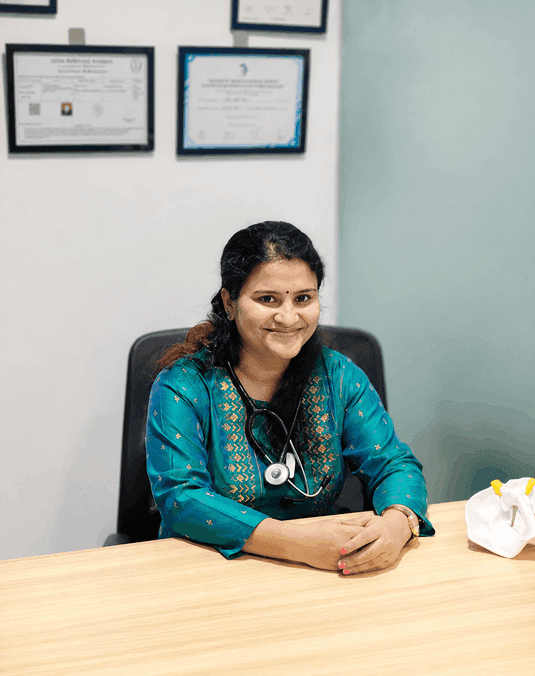
Dr. Anju Bala
Obstetrician & Gynaecologist
13+ Years
Clinical practice
Civil Lines
Hospital OPD
High Risk Pregnancy
Close monitoring
Model Town
Evening clinic
WHY WOMEN CHOOSE DR. ANJU BALA
Care focuses on history, indicated tests, and written next steps—from adolescence and cycle problems through pregnancy and midlife bleeding concerns.
GOOGLE REVIEW
Shared on Google by a real patient of Dr. Anju Bala.
“She is a very good gynaecologist. I took treatment for myself and my teenage daughter. We both recovered quickly. She explained everything politely and clearly, and always answered our questions patiently.”
RELATED TREATMENTS
These are separate decisions. Read the page closest to your question, then confirm the plan in clinic.
 TREATMENT
PCOS care when androgen features, long gaps, or metabolic risk sit with irregular ovulation—goals first, then medicines and review markers.
Learn more TREATMENT
If you have been trying without success, evaluation looks at ovulation, semen quality, and tubes or uterus before rushing advanced options—and without invented success rates.
Learn more TREATMENT
Heavy, painful, or chaotic periods that disrupt work, travel, or iron levels—what needs urgency, what tests help, and what treatment can look like.
Learn moreFAQS
Answers to common clinical and practical questions about this condition or treatment.
Naming differs across regions and papers. Clinical care uses cycle pattern, androgen features, ultrasound context, and exclusion of other causes—not the acronym alone.
Not necessarily. Duration and intensity follow goals and metabolic status with periodic reviews.
No. Ultrasound supports but never replaces history, examination, and selective labs.
Weight improvements help many with insulin resistance, but not every woman has excess weight, and not all cycles normalise with weight change alone.
Many do, spontaneously or with structured fertility support. Individual timelines need in-person assessment.
With Dr. Anju Bala at Civil Lines and Model Town. Bring prior labs and cycle notes.
Unregulated products can interact with hormones and glucose medicines. Disclose every tablet and powder.
Book and mention irregular cycles, fertility intent, and prior hormone use so the visit can prioritise correctly.
Ignore guaranteed pregnancy rates, “complication-free delivery” packages, and magic hormone cures. Your plan depends on your history, examination, and tests with Dr. Anju Bala—not on a stranger’s story or ranking badge.
Yes. Ask for a written problem summary, key results, and options already considered. Second opinions work best with documents, not verbal fragments.
Both support continuity with Dr. Anju Bala depending on weekday schedules. Hospital-linked tests or procedures often map to Sant Parmanand Hospital in Civil Lines; Model Town often suits interim review.
Chat can help you book, share reports, and check if symptoms need emergency care. Prescriptions and stop–start decisions wait for examination when needed—not for message threads alone.
Ready when you are
Book online, call the clinic desk, or WhatsApp your preferred day. Confirm Civil Lines or Model Town hours before you travel.
Clinic timings and full addresses are listed on the Locations page.