Obstetrics & gynaecology
Pregnancy visits and cycle-related care in one practice

TREATMENT
If diabetes, blood pressure, twins, prior losses, or growth concern mean closer checks, here’s how monitoring changes—and when not to wait for the next OPD day.

OVERVIEW
High-risk does not mean disaster. It means shorter intervals, specific tests, and clear rules for when not to wait for the next OPD day.
Common reasons include high blood pressure, diabetes, twin pregnancy, prior preterm birth or complicated caesarean, poor growth on scan, or significant anaemia.
Dr. Anju Bala reviews risk at Sant Parmanand Hospital, Civil Lines, and Model Town clinic. Hospital-linked tests often map to Civil Lines; interim reviews may fit Model Town evenings.
Tell the desk about work shifts and travel distance from North Delhi so denser visits are realistic—not a plan you cannot keep.
WHAT PATIENTS NOTICE
Risk-classified patients should treat early headache with vision change, reduced movements, or fluid leak as same-day issues even if the next card date is distant.
Severity logs help: note BP machine readings if you home-monitor, timing of headaches relative to medication, and foetal movement pattern compared to your own normal.
Fluid leak, vaginal bleeding with pain, or sudden progressive oedema require faster routes than a routine Model Town evening waitlist.
CAUSES & CONTRIBUTING FACTORS
Common drivers include hypertension, diabetes, twins, prior preterm birth, growth-restriction risk, and certain uterine scars—ranked jointly, not singly.
Lifestyle modifiers—missed medicines, long commute stress without monitoring access—amplify underlying medical risk.
Insulin or blood-pressure logs only help when timestamps, meals, and symptoms are written together—blank metre readings without context waste review time.
Raises maternal and foetal the need for closer checks across trimesters.
Affects growth patterns, laboratory timing, and delivery planning.
Increases preterm and growth-discordance risks needing denser reviews.
Preterm birth or stillbirth history changes prevention and counselling plans.
DIAGNOSIS
Additional growth scans or labs appear only when they alter surveillance or delivery timing; quantity of tests is not itself a quality metric.
Bring full prior-pregnancy notes. “Caesarean last time” without scar details is insufficient for labour counselling later.
When multiple problems coexist—for example hypertension plus prior caesarean—the care plan ranks competing risks rather than treating each guideline in isolation.
TREATMENT OPTIONS
Management may include tighter BP or glucose options, earlier specialist input when multi-organ issues appear, and earlier discussion of hospital facility requirements.
Steroid timing talks become relevant when preterm risk rises—they belong in hospital protocols, planned before an emergency at night.
Ask for a written list of which symptoms bypass the next card date entirely. Verbal lists are forgotten during acute worry.
Shorter intervals with clear early-return rules written on the card.
Adjust pregnancy-compatible treatments for BP or blood sugar control.
Ensure birth setting can handle anticipated complexity.
Induction or caesarean timing discussed using growth and maternal status, not calendar preference alone.
BENEFITS & LIMITS
Earlier detection windows can open safer timing choices; individual outcomes still vary with disease severity—no website can promise specific results.
Written escalation criteria reduce last-minute arguments about whether a reading “is high enough” to go in.
RECOVERY & FOLLOW-UP
High-risk pregnancies may need more intensive postnatal observation for BP or wound issues—leave with written thresholds.
If diabetes or hypertension was present, early postnatal medicine reviews prevent silent swings once the pregnancy “state” ends.
If another hospital handled an earlier complicated pregnancy, request discharge summaries before the third trimester growth and scar counsel.
Longer postnatal BP checks when hypertensive
Wound vigilance if caesarean was required
Glucose review plans if diabetes was present
Contraception timing with medical co-morbidities
Mood supports after a complex, prolonged pregnancy course
WHEN TO CONSULT
If any of these start, seek care before the next scheduled OPD day.
If risk status was assigned elsewhere without documents, rebook with full records rather than verbal summaries alone.
Compressed schedules only work if you actually attend them—call early when leave fail rather than missing silently.
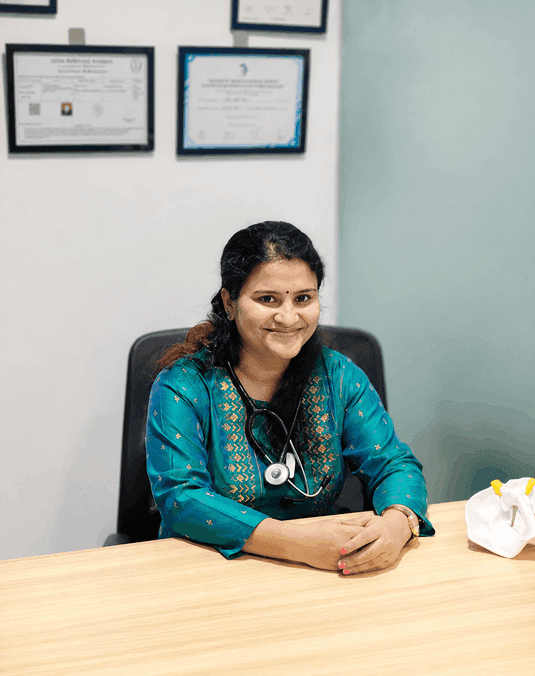
Dr. Anju Bala
Obstetrician & Gynaecologist
13+ Years
Clinical practice
Civil Lines
Hospital OPD
High Risk Pregnancy
Close monitoring
Model Town
Evening clinic
WHY WOMEN CHOOSE DR. ANJU BALA
Care focuses on history, indicated tests, and written next steps—from adolescence and cycle problems through pregnancy and midlife bleeding concerns.
GOOGLE REVIEW
Shared on Google by a real patient of Dr. Anju Bala.
“Dr. Anju Bala guided me through a high-risk pregnancy with warmth and expertise. I always felt heard and reassured.”
RELATED TREATMENTS
These are separate decisions. Read the page closest to your question, then confirm the plan in clinic.
 TREATMENT
From confirmation to late pregnancy—what each visit checks, which home symptoms need same-day care, and how Civil Lines or Model Town visits keep your plan continuous.
Learn more TREATMENT
If you want a clear antenatal card, danger-sign list, and return dates you can follow—not a stack of tests without reasons.
Learn more TREATMENT
When a caesarean is safer for mother or baby—why timing matters, what recovery feels like, and how prior scars change counselling.
Learn moreFAQS
Answers to common clinical and practical questions about this condition or treatment.
No. Mode depends on specific findings. Many high-risk pregnancies still plan vaginal birth when presentation and foetal status allow.
Sometimes, for BP control, diabetes instability, growth issues, or other indications. Admission is based on current findings, not the label alone.
Often yes for interim reviews, provided any hospital-level tests are scheduled. Emergency issues still use hospital options.
Prior caesarean details, BP medication list, diabetes logs, and last three growth scan reports if available.
Same day for the danger list on your card. Do not wait for the next compressed review date.
Book and say ‘high-risk pregnancy follow-up’ with gestation and main diagnosis so longer slots or hospital OPD days can be offered.
Sometimes, if earlier concerns resolve and later findings are stable. Status always follows current evidence.
Home readings help but do not replace clinic confirmation and symptom review. Calibrate device model with your clinician if used often.
Ignore guaranteed pregnancy rates, “complication-free delivery” packages, and magic hormone cures. Your plan depends on your history, examination, and tests with Dr. Anju Bala—not on a stranger’s story or ranking badge.
Yes. Ask for a written problem summary, key results, and options already considered. Second opinions work best with documents, not verbal fragments.
Both support continuity with Dr. Anju Bala depending on weekday schedules. Hospital-linked tests or procedures often map to Sant Parmanand Hospital in Civil Lines; Model Town often suits interim review.
Chat can help you book, share reports, and check if symptoms need emergency care. Prescriptions and stop–start decisions wait for examination when needed—not for message threads alone.
Ready when you are
Book online, call the clinic desk, or WhatsApp your preferred day. Confirm Civil Lines or Model Town hours before you travel.
Clinic timings and full addresses are listed on the Locations page.