Obstetrics & gynaecology
Pregnancy visits and cycle-related care in one practice

TREATMENT
Heavy or prolonged bleeds, severe cramps, or cycle chaos in teens—more than “wait for cycles to settle” when school absence or anaemia appears.

OVERVIEW
Early years after periods start can be irregular—but flooding, severe pain, or school absence is more than “wait and see.”
Care is age-appropriate and private. Parents often join parts of the visit; examine only when needed and explained.
Bleeding disorders, PCOS-like patterns, and iron deficiency enter the differential when flow is extreme.
Vaccination counselling and cycle education can run alongside symptom treatment when the teen wants them.
WHAT PATIENTS NOTICE
Irregular cycles are common in the first years after menarche, but flooding, extreme pain, or no menses by expected age ranges still deserve evaluation.
School absences and sports dropouts are practical severity markers caregivers should report accurately.
When describing adolescent gynaecology concerns, lead with onset, severity scale, and what already failed at home. That short structure saves minutes that can be spent on examination and plan choices.
CAUSES & CONTRIBUTING FACTORS
Immature hypothalamic-pituitary-ovarian axis explains many early irregular cycles. Bleeding disorders, thyroid disease, PCOS-like features, and structural anomalies are important exceptions.
Stress, rapid sports training, and restrictive eating can suppress cycles—assessment remains medical, not only lifestyle lecture.
Social media cycle-tracking fads that restrict calories aggressively can suppress menses—review training and diet honestly without shame-based counselling.
Common early after menarche with eventual maturation.
Consider when flooding begins at menarche.
Thyroid or androgen excess features when present.
Rare but important when pain with absent menses occurs.
DIAGNOSIS
History quality exceeds aggressive internal examination for most first visits. Transabdominal ultrasound may be chosen when imaging needed in non-sexually active adolescents.
Haemoglobin checks for heavy bleeds prevent years of unrecognised anaemia.
Avoid promising teens that periods will magically fix everything after marriage; accurate reproductive literacy prevents harmful future decisions.
State your visit goal in one line: symptom control, fertility planning, diagnosis clarity, procedure counselling, or second opinion. Clear goals prevent menu-style over-testing.
TREATMENT OPTIONS
Education, iron, NSAID strategies when suitable, and hormonal options for heavy or painful cycles are common tools—chosen with age, migraine history, clot risk, and schooling needs in mind.
Surgical care is uncommon and reserved for clear pathology such as certain ovarian lesions or anomalies.
When pain is severe from the first periods and progressive, consider endometriosis-spectrum evaluation earlier rather than multi-year painkiller-only management.
Pad hygiene, cycle literacy, and myth correction.
Treat documented anaemia aggressively enough to restore energy.
Age-appropriate agents after contraindication screen.
When relevant preventive vaccines for young women are discussed.
BENEFITS & LIMITS
Early care returns adolescents to school and sport and prevents normalising extreme pain or flooding.
Respectful visits build lifetime health-seeking behaviour for later reproductive care at Civil Lines or Model Town.
Before leaving a adolescent gynaecology visit, confirm the exact next review window and which symptoms cancel that wait. Timing confusion causes most preventable delays between North Delhi centres.
RECOVERY & FOLLOW-UP
After hormonal starts, expect a few cycles for pattern judgement. Side-effect diaries help decide switches vs patience.
If rare surgery for cysts or anomalies is needed, recovery plans involve caregivers for medicine and wound care.
School staff sometimes need a brief clinical letter for exam accommodations during heavy menses—request one when flooding is documented.
If a procedure plan was discussed for adolescent gynaecology, leave with activity limits, wound or bleeding expectations, and a named after-hours contact path—not only a routine review date.
Medicine timing reminders for school days
Hydration and iron with food guidance
When to rest vs attend school during menses
Emergency bleed thresholds for parents
Follow-up spacing that fits exam calendars when possible
WHEN TO CONSULT
If any of these start, seek care before the next scheduled OPD day.
Seek care for menarche flooding, absent menses with cyclic pain, rapid virilisation signs, or suspected eating-disorder-related amenorrhoea—do not wait years.
Confidential safety concerns (coercion, abuse) need protected options beyond routine cycle Q&A.
Escalate sooner for adolescent gynaecology if symptoms accelerate within a day, if medicines cannot be kept down, or if dizziness suggests anaemia or volume loss.
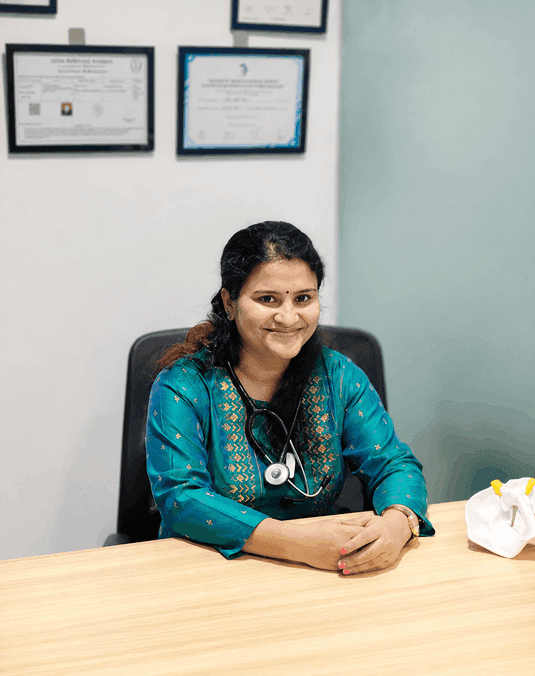
Dr. Anju Bala
Obstetrician & Gynaecologist
13+ Years
Clinical practice
Civil Lines
Hospital OPD
High Risk Pregnancy
Close monitoring
Model Town
Evening clinic
WHY WOMEN CHOOSE DR. ANJU BALA
Care focuses on history, indicated tests, and written next steps—from adolescence and cycle problems through pregnancy and midlife bleeding concerns.
GOOGLE REVIEW
Shared on Google by a real patient of Dr. Anju Bala.
“She is a very good gynaecologist. I took treatment for myself and my teenage daughter. We both recovered quickly. She explained everything politely and clearly, and always answered our questions patiently.”
RELATED TREATMENTS
These are separate decisions. Read the page closest to your question, then confirm the plan in clinic.
 TREATMENT
Heavy, painful, or chaotic periods that disrupt work, travel, or iron levels—what needs urgency, what tests help, and what treatment can look like.
Learn more TREATMENT
If cycles are irregular, weight or skin symptoms worry you, or pregnancy is the goal—start with a clear plan rather than another short course of tablets without a review date.
Learn more TREATMENT
Choosing contraception that matches health history, daily routine, and whether you want pregnancy soon—and what side-effects to report.
Learn moreFAQS
Answers to common clinical and practical questions about this condition or treatment.
No. Many early irregular cycles mature. Labels need careful criteria to avoid overdiagnosis.
When indicated after screening for contraindications, yes. Choices differ by age and medical history.
No. Many first visits are history and education first. Examination is indicated, consented, and age-appropriate.
Often part of the visit includes parent presence and a portion may allow private teen questions depending on safety and consent norms.
North Delhi with Dr. Anju Bala at Civil Lines and Model Town. Mention age when booking.
When relevant preventive vaccines for young women arise in consultation context, they are discussed with caregiver involvement as appropriate.
Heat, rest, and pharmacist-appropriate simple analgesics used correctly—seek care if pain is severe or new.
Book adolescent gynaecology; note guardian contact and main issue (heavy bleed, pain, delayed periods).
Ignore guaranteed pregnancy rates, “complication-free delivery” packages, and magic hormone cures. Your plan depends on your history, examination, and tests with Dr. Anju Bala—not on a stranger’s story or ranking badge.
Yes. Ask for a written problem summary, key results, and options already considered. Second opinions work best with documents, not verbal fragments.
Both support continuity with Dr. Anju Bala depending on weekday schedules. Hospital-linked tests or procedures often map to Sant Parmanand Hospital in Civil Lines; Model Town often suits interim review.
Chat can help you book, share reports, and check if symptoms need emergency care. Prescriptions and stop–start decisions wait for examination when needed—not for message threads alone.
Ready when you are
Book online, call the clinic desk, or WhatsApp your preferred day. Confirm Civil Lines or Model Town hours before you travel.
Clinic timings and full addresses are listed on the Locations page.